
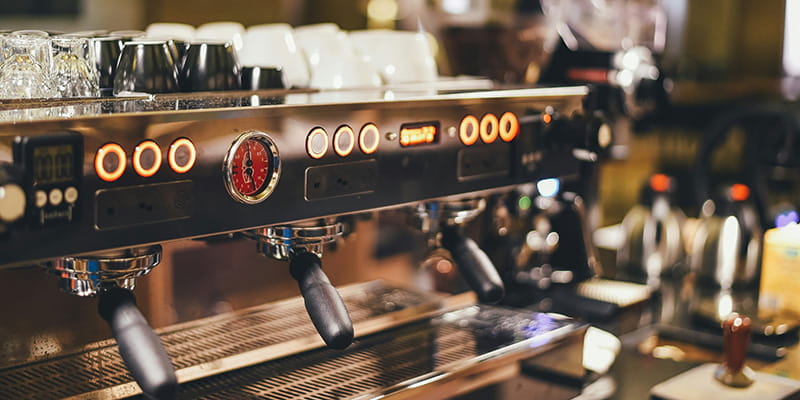
Making better coffee doesn’t require an expensive espresso machine, premium grinder, or countertop cluttered with specialty equipment. In many cases, the biggest improvements come from using better ingredients and paying attention to a few simple brewing habits.
Here are some Union Place Coffee-approved affordable ways to make a better cup with the equipment you have on hand.
Start Simple: Fresh Coffee and Good Quality Water
Fresh coffee beans are one of the easiest ways to improve flavor. Coffee gradually loses aroma and flavor after roasting. As whole beans coffee retains its natural aromatic gases and flavors much longer than when stored as grounds. When possible, buy whole beans and grind them right before brewing.
Along with the use of fresh coffee to improve your cup, using clean filtered water for brewing will bring through all your coffee has to offer. Tap and unfiltered waters may leave a chlorine taste or unusual odor when brewed. For the clearest taste in your cup try opting for filtered or fresh bottled water.
Get Your Coffee-to-Water Ratio Right
One of the simplest ways to make your coffee more consistent is to use the same amount of coffee and water every time.
A kitchen scale can help, but you can also start with a consistent scoop or measuring spoon. As a general starting point, try about 1 gram of coffee for every 15–17 grams of water, then adjust to your taste.
If your coffee tastes too strong, use slightly more water. If it tastes weak, increase the amount of coffee.
The goal isn’t to follow a perfect formula. It’s to find a recipe you enjoy and repeat it consistently.
Grind for Your Brewing Method
If you’re grinding your own beans, choose a grind size that matches your brewing method.
- French press: Coarse
- Drip coffee: Medium
- Pour-over: Medium to medium-fine
- Espresso: Fine
You don’t need a premium grinder to start. A basic burr grinder can give you useful control over grind size, while grinding fresh will generally make a bigger difference than chasing the most expensive equipment.
Pay attention to flavor. Coffee that tastes bitter or harsh may be over-extracted, while coffee that tastes sour, weak, or thin may be under-extracted. Adjust the grind gradually and taste the difference.
Use the Right Water Temperature
You don’t need a temperature-controlled kettle to brew good coffee.
For most brewing methods, water around 195–205°F (90–96°C) is a good general range. If you’re using a regular kettle, let the water sit briefly after boiling before you brew.
Water that is too hot can contribute to bitterness, while water that is too cool may produce weak, underdeveloped coffee.
For pour-over brewing, take your time when pouring. Wet the grounds evenly and allow them to bloom briefly before continuing. A regular kettle can work perfectly well—you simply need to pour with a little care.
Keep Your Equipment Clean
Clean equipment can make a surprisingly big difference.
Coffee oils and mineral deposits build up over time and can leave unwanted flavors in your cup. Regularly rinse and clean your coffee maker, French press, filter basket, carafe, grinder, and reusable filters.
If your brewer develops mineral buildup, follow the manufacturer’s instructions for descaling.
You don’t need new equipment if your existing equipment simply needs a good cleaning.
Don’t Leave Coffee Sitting Around
Try to brew only as much coffee as you’re likely to drink.
Coffee that sits on a hot plate for hours can become increasingly bitter and flat. Making smaller batches is often a better solution than brewing a large pot and reheating it later.
If you regularly make a full pot for several hours of drinking, consider transferring the coffee to an insulated container rather than leaving it on the heat.
Experiment Before You Spend Money
Before buying new equipment, experiment with the tools you already own.
Change one thing at a time: try a different grind size, adjust your coffee-to-water ratio, use filtered water, or change your brewing time. Taste the results and keep track of what works.
This approach can save money and teach you more about your coffee preferences.
Once you’ve mastered the basics, you’ll also know whether a new piece of equipment would actually solve a problem. If you eventually decide to upgrade, you’ll be making an informed choice rather than hoping an expensive gadget will automatically produce better coffee.
Better Coffee Starts With Simple Habits
Great coffee isn’t necessarily about having the fanciest equipment. Fresh beans, good water, the right grind, consistent measurements, proper temperature, and clean equipment can make a bigger difference than many expensive upgrades.
Start with those basics. Make small changes, taste the results, and find the combination that works for you.
Better coffee doesn’t have to cost more—it just takes a little attention to the details. Stop in at Union Place Coffee Roasters and try our fresh beans, or shop online!