
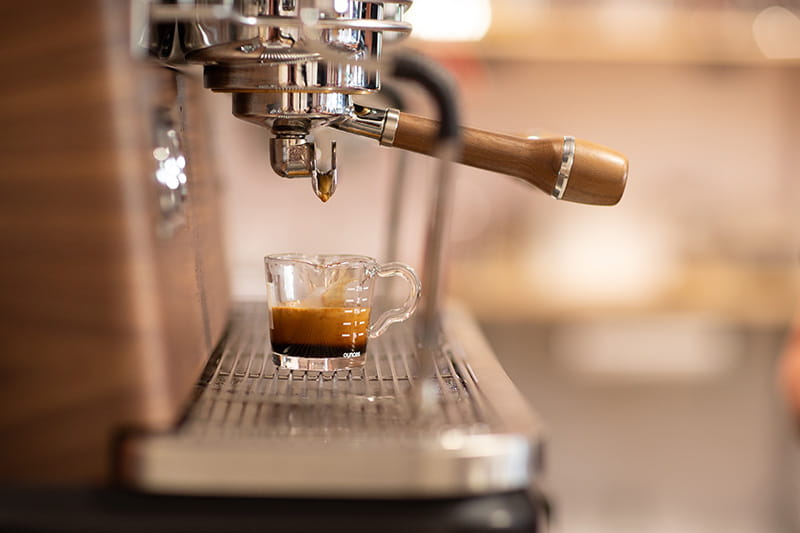
If you’ve ever wondered how long that opening Jolt of flavor stays fresh in your cup, you’re not alone. The life of Espresso is lived hard and fast, coming out of the machine hot and bursting with flavor and crema. Much like the life of a plant how we treat our espresso following the brew can be dramatically impactful on the flavors we taste.
Introduction: Why does an espresso “die” so quickly?
Espresso is a delicate balance between aromatic compounds, flavorful oils and caffeine rolled together in a pressurized shot. From the release of the first drop of espresso, volatile compounds within the coffee begin to break down from exposure to oxygen and heat affecting our overall flavor we find in the final shot. The factors impacting when exactly our espresso begins to “die” include exposure to oxygen, significant rise in temperature. The first factor being the most unavoidable of the two, here at Union Place Coffee Roasters we recommend storing beans in an airtight container to avoid further oxidization and leaving beans whole until its time to brew. The implicating factor of heat allows soluble flavor compounds to begin to break down, leading to a flatter taste in the final shot.
What happens to espresso after it’s pulled
- Aroma and crema: In the first 30 seconds, the crema holds a lot of the espresso’s oils and aromatics. As time passes, crema dissipates into the espresso liquid, and volatile aromas drift away.
- Temperature: Heat accelerates espresso’s chemical reactions. An espresso sitting at room temperature cools and its flavor compounds settle, changing perceived bitterness and sweetness. Cooling espresso immediately with ice or milk help to preserve some of these fleeting flavor notes that dissipate when espresso is allowed to cool naturally to room temperature.
- Oxidation: Once air touches the surface, oxidation begins to alter the flavor profile, often dulling brightness and introducing flatter notes. Increased surface area allows more surface area to be exposed to air, speeding the oxidation process (For this reason we recommend airtight containers over fridge/freezer storage)
- Flavor evolution: The balance of acidity, sweetness, and bitterness shifts as compounds oxidize and volatilize. An espresso tasted immediately after pulling the shot will have a much more stark and bright flavor profile than one that has been cooled over ice.
How long does an espresso shot stay tasty?
- 0-30 seconds: Peak aroma and crema; most intense flavor.
- 1-2 minutes: Still good, but crema is fading; temperature drops muting some sharp brightness.
- 3-5 minutes: Flavor may become more one-dimensional; some coffees are still enjoyable, especially with a milk match but lack the flavorful punch of the 0-30 second lifespan range
- 5+ minutes: Most espresso will taste flat or stale unless kept warm, in a thermos, on a warming station or immediately iced.
Factors that influence espresso longevity
- Grind size and freshness: Freshly ground beans yield a brighter shot with more pronounced aromatics, which fade quickly.
- Dose and yield: Higher yield can affect crema stability and perceived strength as the shot cools. If a shot pulls exceptionally slow it may be too high a dose or if too quick, too low a dose.
- Brew ratio and technique: Proper extraction preserves balance longer; over-extracted or under-extracted shots fade faster. The ideal shot is brewed with a 1:2 ratio of espresso to water within 25-32 seconds pull time.
- Vessel and exposure: Ceramic or metal cups retain heat differently; a lid or thermal mug slows cooling.
Coffee fun facts to savor
- The term “espresso” refers to the method of extraction, not the strength of the drink.
- A fresh shot has a naturally sweet and syrupy mouthfeel, often with chocolate and caramel notes.
- The crema acts as a flavor-preserving barrier for a short time, but it’s not permanent.
- Caffeine content doesn’t significantly degrade in the first minutes; it’s more about flavor and aroma.
- Espresso is typically brewed at a high pressure around 9 bars and a target temperature near 90-96°C (194-205°F).
How to enjoy espresso at its peak
- Sip within the first minute for optimal brightness and crema impact.
- Try tasting at 0-30 seconds, then at 1-2 minutes to notice the evolution.
- Use lighter roasts for a brighter, fruitier profile that fades more quickly; or darker roasts for a bolder, more persistent body.
- Consider serving temperature: Some enthusiasts enjoy slightly warmer cups to prolong perceived brightness. Pre-warming your cup is a great method to preserve the temperature of your espresso without altering flavor through stove or microwave reheating.
Final thoughts
Espresso is a precision beverage whose life span is short but intense. From the moment the shot is pulled, aroma, crema, and flavor begin a rapid journey toward equilibrium with the surrounding air and temperature. By understanding the timing and the factors that influence longevity, you can maximize enjoyment, whether you’re savoring a single shot or coordinating a showcase of caffeinated flavors. And yes, those coffee fun facts can spark conversations among friends as you compare notes on crema, aroma, and taste. Stop in at Union Place Coffee Roasters and enjoy an espresso shot today!