
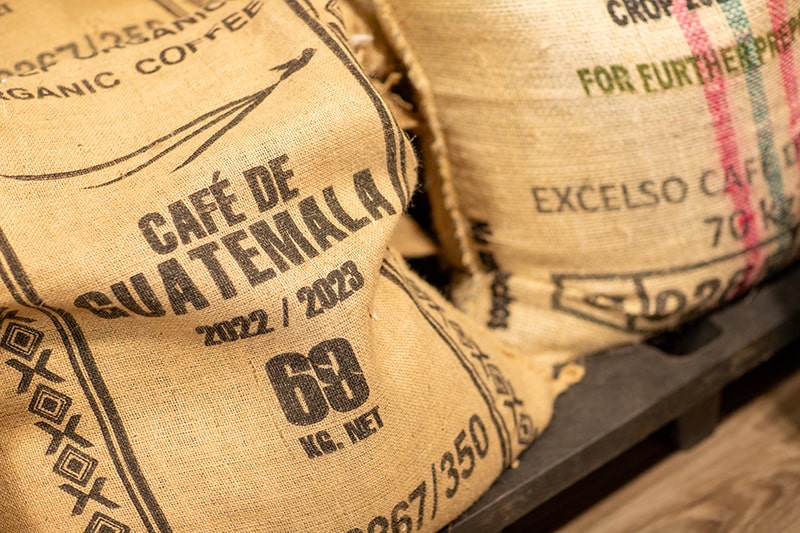
If you’re a coffee enthusiast, you’ve likely seen the term single origin coffee on bags, menus, and in coffee shop conversations. But what exactly does it mean, and how can you tell if the coffee you’re sipping truly comes from a single origin? This guide breaks down the concept, the clues to look for, and practical tips to identify single origin coffee with confidence.
Introduction to single origin coffee
Single-origin coffee refers to beans that come from a specific country, region, farm, or even a particular lot, rather than a blend from multiple sources. The idea is that you’re tasting the unique terroir—climate, altitude, soil, and farming practices—that shape the coffee’s flavor profile. While some blends are crafted to achieve balance, single origin coffees often showcase distinctive characteristics that reflect their birthplace.
When coffee is labeled as single origin, it does not necessarily mean the beans were grown on a single plot. Sometimes, a single origin designation may include beans from multiple farms within a single region or Coop lot. Yet the overarching concept remains: the batch is traceable to a relatively narrow origin rather than a broad, blended mix.
How to identify single origin coffee on packaging
Look for clear origin information:
- Country of origin: The bag will typically name the country where the coffee was grown.
- Region or farm: Some producers go further and specify a region (e.g., specific micro-lot) or the farm name.
- Processing method: While not a defining feature, many single origin coffees also mention how the beans were processed (washed, natural, honey) because processing can influence flavor.
- Lot or micro-lot: Some bags identify a specific lot number or micro-lot, indicating a limited, traceable harvest.
Beware of vague marketing language:
- Phrases like “crafted from select beans” or “artfully roasted” may accompany single origin coffees but do not guarantee single origin status.
- Some blends will include “single origin” in the marketing as a selling point, even though the beans come from multiple origins. Always check for explicit origin details.
How to verify authenticity at the point of purchase
Ask questions or look for certification:
- Check for origin traceability: Reputable roasters may provide a lot code, harvest year, and farm name. Some will offer a QR code linking to a producer profile.
- Look for certifications: While not exclusive to single origin, certifications like Fair Trade, Organic, or Rainforest Alliance can appear on single origin packaging. They speak to agricultural practices but not necessarily origin purity.
- Contact the roaster or retailer: If in doubt, reach out and ask for precise origin information. A transparent company should be able to share where the beans came from.
Read tasting notes with scrutiny:
- Strong, specific tasting notes can hint at a particular origin. For example, a coffee described with notes of citrus and jasmine from specific regions may align with known regional profiles. However, remember that roasting and brewing can alter perceived flavors, so use notes as a guide, not a guarantee.
The role of origin in flavor
Terroir, much like wine, influences coffee flavor. Elevation, soil composition, microclimate, and farming practices all contribute to distinctive taste notes. Single-origin coffees can express a narrow flavor spectrum—from fruity and bright to earthy and chocolatey—based on where they’re grown.
- Ethiopian single origins often showcase fruity florals and complexity.
- Colombian and Central American single origins may offer balanced, well-rounded profiles with chocolate or nutty notes.
- Kenyan coffees are famous for bright acidity and berry-like flavors. Understanding general regional tendencies can help you identify single origin characteristics, but individual lots can vary widely.
Practical tasting tips to confirm single origin
Cup more than one sample:
- If possible, compare a true single origin with a known blend from the same roaster. Differences in aroma, taste, and mouthfeel can reveal the impact of origin.
- Note the roast level: Roasting can accentuate or mute origin traits. For fair comparison, roast profiles should be similar when testing different coffees.
Pay attention to aroma and aroma notes:
- A transparent single origin often presents a clean, recognizable aroma that aligns with its origin. If the scent is nondescript or too generic, it may be a blended product or poorly labeled.
Brewing method matters:
- Certain origins reveal their best through specific brewing methods. For example, light to medium roasts highlight origin flavors; darker roasts may mask delicate notes. Use a consistent brewing approach when evaluating a potential single origin.
Ask about the roast date:
- Freshness matters. A recent harvest from a single origin will taste brighter and more vibrant than a stale batch. Check the roast date to ensure freshness, typically within the last 4–6 weeks for optimal flavor.
Common myths about single origin coffee
- Myth: All single origin coffees taste the same. Reality: Each origin has its own unique profile, but roast, grind size, and brewing method strongly influence flavor.
- Myth: Single origin is always superior to blends. Truth: It depends on personal preference and the intended taste experience. Some blends are crafted to achieve balanced or enhanced flavors that single origins alone might not deliver.
- Myth: Single origin means organic. Origin and organic certification are separate considerations; a single origin coffee can be conventional or organic.
How to enjoy single origin coffee at home
- Invest in a good grinder: Uniform grind size helps extraction and flavor clarity.
- Use a precise brewing method: Pour-over, AeroPress, or calibrated espresso methods can reveal origin characteristics well.
- Keep a flavor log: Note origin, roast level, and tasting notes to build your memory of what you enjoy most.
Final thoughts
Single origin coffee offers a pathway to explore the diverse flavors of the world through traceability and storytelling. By understanding what makes a coffee “single-origin,” examining packaging details, verifying authenticity, and employing mindful tasting practices, you can confidently identify genuine single origin coffee and appreciate its unique terroir. Stop in and try our single-origin roasts such as our Ethiopian Yirgacheffe , Guatemalan Medium Roast, Honduran Medium Roast Coffee, or any of our single-origin coffees.
Whether you’re sipping a bright Ethiopian Yirgacheffe or a fruity Honduran, the journey through single-origin coffee is a flavorful adventure worth pursuing. Stop in today!