
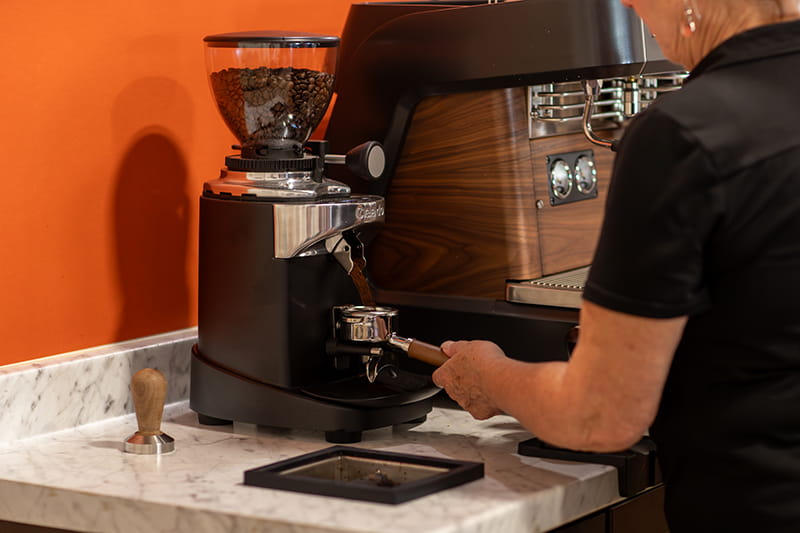
Espresso and coffee are two of the most beloved ways to start the day, but many people wonder, which will be the best to get me up and ready for the day? The short answer is: it depends what your goal for waking up is, and how you measure it. Exploring the differences between espresso and coffee, the science behind what makes each their own respective drink, and practical tips to tailor your coffee to your morning.
Introduction: Defining the morning caffeine ritual
Caffeine is the primary reason both espresso and coffee can feel energizing. But espresso isn’t just a stronger shot of the same extraction into a smaller cup; it’s a distinct brewing method that changes the speed and intensity of caffeine delivery. For many people, an espresso shot provides a quicker, more pronounced jolt, while a cup of coffee offers a steadier, more prolonged lift. Understanding what espresso is helps demystify why some feel more awake after a shot, while others prefer a larger mug of coffee. Each will provide the caffeine to wake the body, one being a quick shot to be finished in 1-3 sips or a mug of coffee allowing for drawn out slow introduction of caffeine to the body.
What is Espresso? (Definition and brewing basics)
What is espresso? At its core, espresso is a concentrated coffee brewed by forcing hot water under high pressure through finely ground coffee. This method results in a small, crema-topped shot with a higher concentration of flavors and caffeine per ounce than traditional coffee. Typical espresso parameters include:
- Pressure: about 9 bars
- Temperature: around 90°C (194°F)
- Grind size: very fine
- Dose: usually 18-20 grams for a double shot, yielding about 60 ml of liquid
Caffeine content can vary, but a standard single shot (about 30 ml) often contains roughly 63 milligrams of caffeine, while a double shot (about 60 ml) can range from 120 to 126 milligrams. In contrast, an 8-ounce cup of drip coffee might contain anywhere from 95 to 200 milligrams, depending on brew method and beans. So, on a per-ounce basis, espresso has more caffeine, but because the serving size is much smaller, the total caffeine per serving is often comparable to a small cup of coffee.
Does espresso wake you up faster?
The sensation of waking up depends on caffeine absorption and the body’s response. Espresso delivers caffeine in a concentrated, fast-acting form. However, the total caffeine absorbed by the body in a typical espresso shot is usually less than or similar to a standard cup of coffee, which means the overall energy duration might differ.
Several factors influence how fast you feel awake:
- Delivery speed: Espresso’s rapid intake can lead to a quicker spike in caffeine levels in the bloodstream.
- Tasting and aroma: The bold aroma and crema can trigger sensory cues that enhance alertness beyond caffeine alone.
- Psychological association: The ritual of a shot can condition your mind to expect a quick wake-up.
Coffee vs. Espresso: Key differences to consider
- Caffeine content per serving: Espresso has more caffeine per ounce, but a typical serving is smaller, which often results in similar total caffeine compared to a cup of coffee.
- Brew method and flavor profile: Espresso is intense and concentrated, while coffee offers a lighter, more expansive flavor profile across various roasts and brew methods.
- Consumption pattern: Espresso is typically consumed in short sessions (one or two shots), whereas coffee is often enjoyed over a longer period.
Personal experience and caffeine sensitivity
People vary in how they respond to caffeine. Some feel a sharp wake-up after espresso, while others may experience jitters or a crash. Sensitivity can be influenced by:
- Tolerance: Regular caffeine consumers may require more caffeine to achieve the same wakefulness.
- Genetics: Variants in genes related to caffeine metabolism (like CYP1A2) can affect how quickly caffeine is processed.
- Time of day: Consuming caffeine later in the day can disrupt sleep, reducing overall wakefulness the following day.
Practical tips to optimize wakefulness with espresso or coffee
- Know your caffeine budget: Track your total daily caffeine intake to avoid excessive consumption that can lead to jitters or disrupted sleep.
- Consider your macro-fueling: A single espresso with a light bite can be more effective for some, while others prefer a larger mug with a balanced breakfast.
- Experiment with grind size and extraction: A properly extracted espresso highlights caffeine without overwhelming bitterness.
- Mix and match: For a longer-lasting wake, combine an espresso with a larger cup of coffee or switch to a robust brew later in the morning.
Final thoughts
When deciding whether espresso wakes you up better than coffee, the answer hinges on your personal response to caffeine, your routine, and your preference for flavor and ritual. Espresso offers a rapid, concentrated caffeine delivery and a strong sensory experience that can lead to a quick perceived wakefulness. Coffee provides a more prolonged, steady lift and a wider range of flavors and preparation styles. Understanding what espresso is helps you make an informed choice about your morning ritual. Ultimately, both can be effective wake-up tools; it’s about finding the balance that suits your body, your schedule, and your taste buds. Stop in at the Union Place Coffee Roasters Brew Bar for a shot of espresso, or a cup of coffee today!