
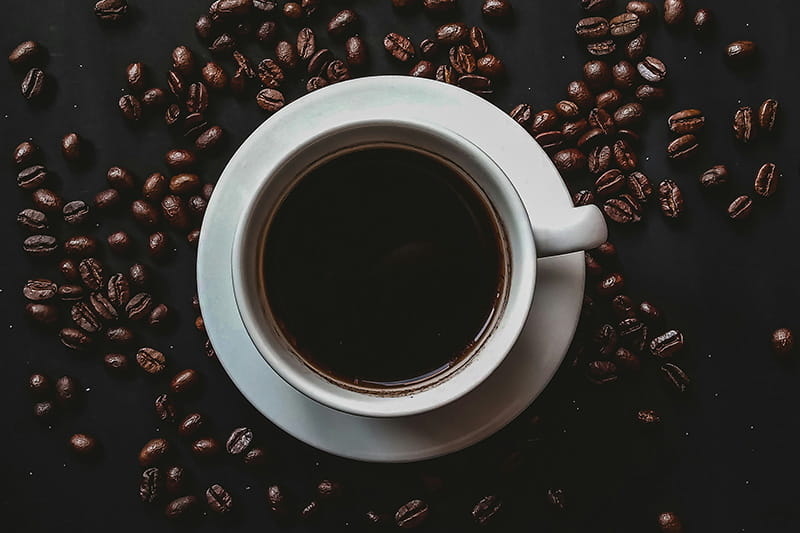
Dark roast coffee blends have a distinct profile that sets them apart from lighter roasts. If you’re curious about how roasting levels shape flavor, this guide will walk you through the key notes, how to taste them, and what to look for when choosing dark roast coffee.
Introduction: Understanding the dark roast baseline
When coffee beans are roasted to a dark level, sugars caramelize slightly, oils rise to the surface, and acidity softens. This process creates a bold, chocolate, caramel and sometimes smoky flavor that coffee lovers seek for its robustness and depth. Common descriptors include chocolatey, caramel, woody, smoky, earthy, and sometimes bitter or burnt notes. It’s important to note that flavors can vary widely depending on the origin, processing method, and roast profile, even within the realm of dark roast coffee and blends.
Common flavor notes you’ll encounter
Chocolate and cocoa
One of the most consistent notes in dark roast coffee blends is a rich chocolate or cocoa presence. The roasting helps bring forward cacao-like bitterness that pairs well with milk or cream and yields a comforting, dessert-like experience.
Smoky and woody
Many dark roasts exhibit smoky or woody nuances, a result of extended roasting. This can feel like a campfire or toasted marshmallow, adding depth without overwhelming sweetness.
Caramel and toffee
Caramelized sugars can surface in darker roasts, especially when the roast stops just short of burning. Expect a malty sweetness that can resemble brown sugar or toffee, providing balance to the roast’s darker edge.
Cherry and dried fruit undertones
Some dark roast blends retain fruit-like notes, including dark cherry or date-like tones. These subtler fruit notes often peek through a thick body and can surprise palates accustomed to more straightforward chocolate flavors.
Nuts and roasted grains
Walnut, almond, or toasted grain impressions are common in dark roast blends. These notes contribute a roasty, comforting foundation that complements the beer-like bitterness of the roast.
Spices and toasted sweetness
A hint of spice, black pepper, clove, or cinnamon, can appear in some dark roast coffee blends. Combined with toasted sugar notes, these spices add complexity without sacrificing the bold profile.
How to taste dark roast coffee blends
Tasting coffee is a skill, and recognizing dark roast notes requires a mindful approach:
- Look for a thick, oily surface on the beans and a deep color in the cup.
- Smell the aroma before tasting; expect roasted, chocolatey, or smoky scents.
- Take a small sip and let it coat your palate, noting body, acidity, sweetness and intensity of lingering flavor following the sip.
- Identify primary notes (chocolate, smoke, etc.) and any secondary hints (fruit, nuts, spice).
- Pay attention to finish: does the flavor linger with a bittersweet aftertaste or a smoother, chocolatey finish?
Pairing suggestions for dark roast coffee blends
Dark roast coffee blends pair well with foods that mirror their bold character:
- Rich desserts like dark chocolate cake, tiramisu, or brownie oozing with ganache.
- Breakfast options such as croissants or pastry with a touch of cream.
- Chewy caramel candies or toffee for a complementary sweetness.
- Nutty cheeses or roasted nuts to echo roasted notes.
Sourcing and selecting dark roast coffee blends
When choosing dark roast coffee blends, consider the following:
- Origin and blend composition: A blend might combine beans from two or more regions to achieve a particular flavor balance. Look for tasting notes on the bag that align with your preferences.
- Roast level description: Some roasters label their darker roasts as French roast, Italian roast, or “dark” with specific notes. Each roaster may interpret darkness differently, so reading tasting notes can be a great source of direction.
- Freshness: Coffee tastes best within a few weeks of roast date. Choose whole beans if you plan to grind just before brewing.
- Brewing method compatibility: Espresso, French press, and cold brew all respond well to dark roast coffee blends, but the resulting flavor may vary by method.
How roast level influences flavor
Roast level is a major driver of flavor. Lighter roasts preserve origin characteristics, floral, fruity notes, and bright acidity. In dark roasts, those delicate notes recede, and the roast itself becomes the star. Dark roast coffee blends emphasize body, low acidity, and pronounced roast flavors like chocolate, smoke, and caramel. The balance between bitter roast notes and any residual sweetness depends on the bean quality and roast profile.
Final thoughts
Dark roast coffee blends offer a bold, comforting experience with notes of chocolate, smoke, caramel, and occasional fruit or spice hints. By understanding these flavor notes, you can better select blends that match your preferences and pair them with foods that complement their intensity. Whether you’re aiming for a mellow, syrupy cup or a robust, espresso-ready shot, exploring different dark roast coffee blends will reveal a spectrum of satisfying flavors. Enjoy the journey from bean to cup.