
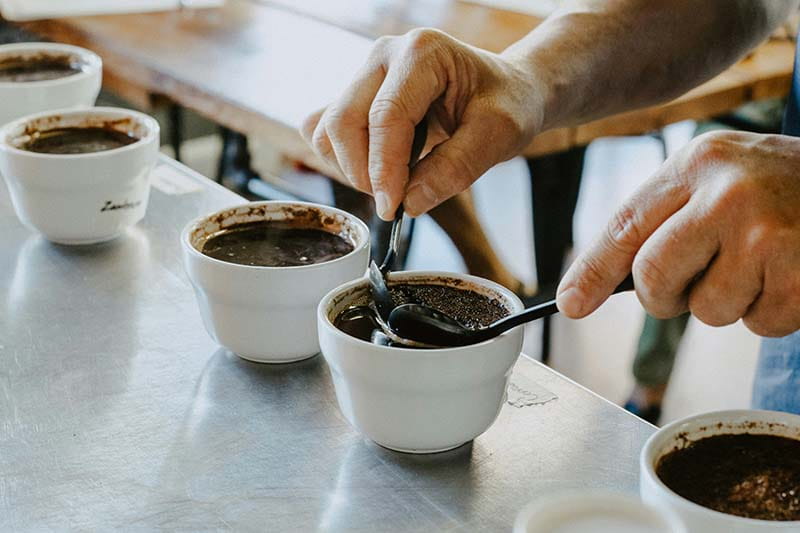
Coffee cupping is one of the most important, yet often misunderstood, practices in the world of specialty coffee. At first glance, it might seem like a pretentious ritual reserved for coffee nerds, but when you peel back the layers, cupping is a practical and democratic tool. It helps roasters, baristas, producers, and consumers connect with coffee in a precise, repeatable way. This post explores what coffee cupping is, why it matters, and how to get the most out of every cupping session.
What is coffee cupping?
Coffee cupping is a standardized tasting method used to evaluate and compare different coffees. It involves grinding a uniform sample of coffee, pouring hot water over it, and systematically smelling and tasting the brew to identify aroma notes, flavors, and defects. The process is designed to be highly repeatable so professionals can discern subtle differences between lots, origins, processing methods, and roast profiles.
Key elements include:
- Consistent grind size and dose
- Precise water temperature and brew time
- Aromatic evaluation before slurping (the “claw” to protect the palate is optional in modern practice)
- Cupping slurps that aerate the coffee and release volatile aromas
- Structured notes using a common tasting vocabulary
Why coffee cupping matters
There are several reasons why coffee cupping is essential for anyone serious about coffee:
- Quality control: Roasters rely on cupping to detect defects, inconsistencies, and deviations from a supplier’s standard. Early detection helps prevent poor lots from reaching customers.
- Benchmarking: Cupping creates reference points. By tasting multiple lots side by side, a team can establish flavor profiles that define a coffee’s character and help with future sourcing decisions.
- Transparency and education: For producers and importers, cupping sessions reveal the realities of a harvest or lot. For consumers, cupping notes can demystify flavors and set expectations.
- Consistency and profile development: Coffee cupping informs roast profiles and blend decisions. It helps teams align on what a coffee should taste like and how to achieve that in the cup.
The anatomy of a cupping session
A well-run coffee cupping follows a deliberate sequence. While practices vary slightly between cafes, roasters, and training programs, the core structure remains consistent:
- Setup and calibration: Clean cupping table, fresh water, and properly roasted coffee. All samples should be roasted to a uniform level to ensure fair comparison.
- Grounding and aroma: Ground coffee is placed in cups and hot water is poured. The initial aromas are assessed without slurping.
- Slurp and taste: After a brief brewing, tasters break the crust with a spoon, inhale the aroma, and slurp to mix air with the liquid. This creates a wide sensation of flavors across the palate.
- Flavor and aftertaste: Tasters note sweetness, acidity, body, flavor notes, and aftertaste. A consistent tasting vocabulary helps teammates compare observations.
- Defects and overall impression: Any off-flavors or defects are recorded, along with an overall sense of quality.
How to conduct a beginner-friendly cupping
If you’re new to coffee cupping, here are practical steps to get started without losing the joy of the experience:
- Gather a small, diverse sample set: a couple of single-origin coffees and a reliable blend.
- Prepare a clean setup: use identical cups, water, and grind sizes. Temperature should be around 92–96°C (198–205°F).
- Train your palate with calibration samples: include known profiles, such as a bright citrusy coffee and a chocolatey, chocolate-forward coffee, to anchor your notes.
- Use a tasting wheel or a simple flavor map: note key attributes like aroma, acidity, sweetness, body, and finish.
- Keep notes organized: dedicate a notebook or a sheet for each session and standardize your terminology.
Comparing coffees with cupping
One of the most valuable outcomes of coffee cupping is the ability to compare coffees objectively. When you cup multiple coffees side by side, subtle differences in:
- origin and terroir
- processing method (washed, natural, honey, etc.)
- roast level
- farm practices
become more apparent. This comparative approach helps roasters decide which lots to buy, how to blend, and which profiles to develop further.
Common challenges and how to overcome them
- Inconsistent grind size: Use a burr grinder and weigh doses to ensure uniformity.
- Uneven pouring: Pour water in a consistent, controlled manner to minimize temperature fluctuation.
- Palate fatigue: Take short breaks between cups or cup at a slightly slower pace to keep perceptions fresh.
- Bias and expectation: Blind cupping can reduce bias and improve objectivity.
The broader impact of coffee cupping
Beyond individual tastings, coffee cupping fosters a culture of quality and collaboration in the industry. It encourages transparency from farm to cup, helps buyers and sellers communicate more precisely, and educates the public about the diversity of flavors in coffee. For many enthusiasts, cupping is a gateway to deeper appreciation and a more mindful consumption experience.
Final thoughts
Coffee cupping is more than a sensory exercise; it is a disciplined approach to understanding, communicating, and improving coffee. By training the palate, standardizing evaluations, and encouraging curiosity, cupping supports better sourcing decisions, consistent roasting, and richer conversations about flavor. Whether you’re a home brewer, a cafe barista, or a professional roaster, embracing coffee cupping can elevate your appreciation of the beverage and deepen your connection to the coffee supply chain.