
Coffee is a universal language of love, comfort, and energy for millions of people worldwide. It’s more than just a beverage; it’s an experience that begins with the selection of coffee beans and ends with the last sip. One important factor that influences the flavor profile of your cup is the roasting process.
Understanding the Lighter Roasting Process
A lighter roast is produced by roasting coffee beans for a shorter period compared to medium or dark roasts. The roasting process typically stops shortly after the first crack, a stage when the beans expand and crack due to heat, releasing moisture. This shorter roasting time allows more of the coffee’s original characteristics, influenced by its growing region and variety, to remain noticeable.
The finished beans have a light brown color, often resembling cinnamon or light brown sugar. Unlike darker roasts, they typically have a dry surface without visible oils because they haven’t been exposed to heat for as long.
Flavor Characteristics and Aromas
One of the most interesting aspects of a lighter roast is its vibrant and complex flavor profile. Because the beans undergo less roasting, more of the original characteristics associated with their growing region’s soil, climate, and elevation can come through. These regional influences are often referred to as terroir.
Depending on the origin, you may notice bright acidity, floral aromas, or fruity and citrus-like flavors. Some varieties also feature delicate sweetness and subtle tea-like characteristics that can become less noticeable with longer roasting.
Caffeine content is another interesting consideration. Although roasting causes some changes in caffeine concentration by weight and volume, differences between roast levels are relatively small. The amount of caffeine in your cup depends more on the coffee variety, dose, and brewing method.
It’s also important to remember that flavor can vary significantly depending on factors such as growing conditions, processing methods, bean quality, brewing technique, water quality, and storage.
How Coffee Origin Influences Flavor
The growing region plays an important role in the characteristics of your coffee. Since shorter roasting times allow more origin-specific qualities to shine through, coffees from different parts of the world can offer remarkably different tasting experiences.
For example, African coffees are often associated with fruity, floral, and wine-like notes. Central American varieties, meanwhile, can feature bright acidity, balanced sweetness, and flavors ranging from citrus to chocolate.
Exploring coffees from different regions is a great way to discover which flavor characteristics you enjoy most. Pay attention to the tasting notes and origin information on the packaging to learn more about what makes each coffee unique.
Freshness also matters when it comes to enjoying specialty coffee. Coffee gradually loses its aromatic qualities over time, so paying attention to the roast date can help you enjoy its intended flavor profile. At Union Place Coffee Roasters, we roast beans three times a week and have them on the shelf for you the next day.
Brewing Techniques and Tips
Your brewing method can have a significant impact on the final flavor in your cup. Pour-over brewing is a popular choice for highlighting delicate aromas, nuanced flavors, and bright acidity.
Grind size also plays an important role in extraction. A medium-fine grind is generally a good starting point for pour-over methods, although the ideal setting depends on your equipment, brewing time, and personal preferences.
Experimenting with water temperature, grind size, and brewing ratios can help you discover different flavor characteristics. Small adjustments can make a noticeable difference in the balance, sweetness, and acidity of your finished cup.
Explore the World of Coffee Flavors
Coffee offers an incredible range of flavors, aromas, and experiences. Exploring different roast levels and growing regions can help you develop a better understanding of how each factor contributes to the final cup.
Whether you’re an experienced coffee enthusiast or just beginning your specialty coffee journey, trying coffees with delicate, origin-driven flavor profiles can open up a whole new world of possibilities.
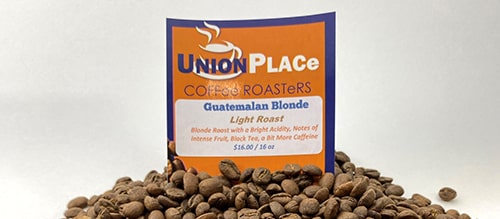
At Union Place Coffee Roasters, we invite you to explore our selection of specialty coffees. Try our Nicaraguan Organic from the Jinotega Region in Nicaragua, our Ethiopian Yirgacheffe, or our Guatemalan Blonde, our lightest roast. Stop in today and discover your next favorite cup!